
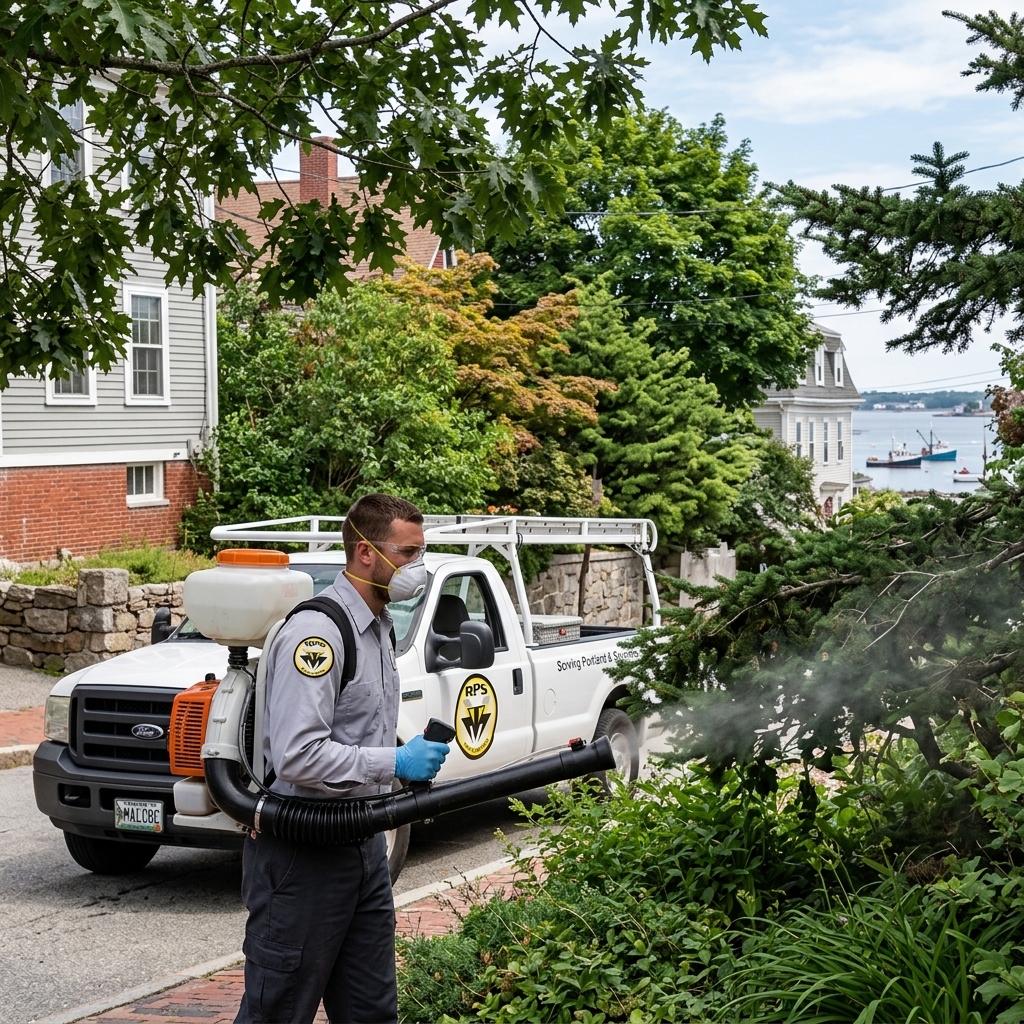
Mosquitoes can spoil outdoor time and create health concerns. This guide outlines practical, safe yard protection: eco-friendly repellents, timing and application tips, and when professional treatments make sense. You'll learn the most effective spray choices, how pros tailor service to local conditions, and simple pet- and people-safe practices that reduce environmental impact.
Key Takeaways
- Combine safe outdoor repellents with professional services for longer protection.
- Eco-friendly sprays using essential oils can control mosquitoes while limiting health and environmental risks.
- Many yard sprays are reapplied about every 21 days during peak season for steady coverage.
- Local companies adapt treatments to neighborhood mosquito habits and breeding spots.
- Understanding the mosquito life cycle helps you target larvae and cut future adult numbers.
- Use protective gear, follow label directions, and keep people and pets away until treated areas dry.
- Integrated pest management (IPM) plus greener repellents lowers environmental exposure while managing mosquitoes.
- Local professionals offer customized, accountable options for residential yards.
What Are the Best Mosquito Spray Options for Outdoor Yard Protection?
Several spray types create a protective barrier so you can use outdoor spaces more comfortably. Choose based on safety priorities, target species, and how long you need coverage.
Which Outdoor Insect Repellent Solutions Offer Safe and Eco-Friendly Use?
Greener barrier sprays use natural actives like citronella or lemongrass to deter mosquitoes while leaving fewer toxic residues. These options tend to smell pleasant and are popular for yards with children, pets, or pollinators. Expect variable performance versus stronger synthetic products, but they fit well in IPM-focused plans.
How Often Should Yard Mosquito Sprays Be Applied for Optimal Effectiveness?
Many yard treatments are reapplied roughly every 21 days during peak months. Weather, product formulation, and local mosquito pressure influence longevity, so adjust timing and retest conditions through the season.
Why Choose Professional Mosquito Control Services for Effective Yard Treatment?
Professionals provide targeted, experienced care that can be hard to match with DIY approaches. Technicians assess your property, recommend suitable products, and schedule treatments to interrupt breeding and biting cycles efficiently.
What Are the Benefits of Hiring Mosquito Treatment Companies Near Me?
Local companies understand regional mosquito patterns and breeding hotspots, letting them design treatments suited to your neighborhood. They respond faster, offer follow-up support, and generally stand behind their results.
How Do Professional Services Customize Mosquito Control for Local Yards?
Technicians conduct site inspections to find damp areas, standing water, and mosquito hiding spots, then recommend targeted tactics—barrier sprays, fogging for heavy infestations, or larvicides for breeding sites. That focused approach usually outperforms generic treatments.
How Does Understanding the Mosquito Life Cycle Improve Yard Mosquito Control?
The mosquito life cycle—egg, larva, pupa, adult—shows where interventions are most effective. Targeting immature stages with larvicides or source removal prevents many adults from emerging and extends the impact of control efforts.
Which Treatment Timing Aligns With Mosquito Development Stages for Maximum Impact?
Focus on larval habitats when eggs and larvae are present. Applying larvicides or removing standing water at that stage cuts future adult numbers more efficiently than measures that only knock down adults.
Can Controlling Mosquito Larvae Significantly Reduce Adult Populations in My Yard?
Yes. Regularly treating or eliminating breeding areas typically produces noticeably fewer adults during peak season. Early, consistent action is an effective, proactive strategy.
Are Yard Mosquito Control Methods Safe for Pets and the Environment?
Many modern formulations and IPM practices minimize risks when used as directed, making safe control choices possible for homes with pets, children, and wildlife.
What Safety Measures Should Be Taken When Applying Mosquito Sprays Outdoors?
Follow label directions, wear recommended protective gear, and keep people and pets off treated areas until surfaces dry. These steps limit exposure and help treatments work as intended.
How Do Eco-Friendly Repellents and Integrated Pest Management Reduce Environmental Impact?
Combining eco-friendlier repellents with IPM—monitoring, source reduction, and targeted treatments—reduces reliance on broad-spectrum chemicals and limits environmental exposure while controlling mosquitoes.
Mosquito Control Product Comparison
| Product Type | Active Ingredients | Effectiveness |
|---|---|---|
| Barrier Mosquito Sprays | Essential oils (e.g., citronella) | Varies by application |
| Fogging Solutions | Synthetic pyrethroids | Strong short-term knockdown |
| Larvicides | Methoprene | Significant in early stages |
This table summarizes common product types and how they work so you can weigh effectiveness against environmental priorities.
Frequently Asked Questions
What are some natural deterrents for mosquitoes in my yard?
Plants like citronella, lavender, and marigolds emit scents that discourage mosquitoes. Diluted essential oils (eucalyptus, peppermint) can help in sprays. Most importantly, remove standing water to eliminate breeding spots.
How can I make my own mosquito repellent at home?
Mix a liquid base (witch hazel or apple cider vinegar) with 10–15 drops of an essential oil such as citronella or tea tree per two tablespoons of base. Shake into a spray bottle, test on a small skin patch, and reapply as needed.
Do mosquito repellent candles work?
Yes—citronella or lemon eucalyptus candles can reduce bites in small, contained areas and work best when combined with other control steps for broader protection.
Are there any specific times of the day when mosquitoes are most active?
Many mosquitoes are most active at dawn and dusk. Limiting outdoor activity during those times or using repellents reduces exposure.
Can I plant certain flowers to repel mosquitoes naturally?
Marigolds, lavender, and citronella plants help repel mosquitoes due to natural oils; planting them near patios and doorways provides a mild, decorative barrier.
What should I do if I continue to see mosquitoes after treatment?
Inspect for hidden water sources—gutters, planters, bird baths, toys—and remove them. If problems persist, contact a professional to reassess and recommend targeted measures.
Conclusion
Effective yard mosquito control combines smart product choices, good timing, habitat reduction, and professional help when needed. Eco-friendly repellents and tailored treatments can reduce mosquitoes while protecting pets and the environment. If issues persist, local pest control experts can design a plan to help you reclaim your outdoor space.