Rodent infestations can pose significant challenges for homeowners and businesses alike, leading to property damage and health risks. Understanding effective rodent removal methods is crucial for maintaining a safe and healthy environment. This article explores the various techniques and strategies for rodent control, specifically focusing on services available in Portland, Maine. Readers will learn about the effectiveness of these methods, how to identify infestations, and the importance of professional assistance in managing rodent problems. Additionally, we will discuss the pricing of these services and the benefits of choosing local pest control experts like Robbins Pest Services.
"Rodents have been a common problem in living and working environments, probably, ever since humans began living in permanent dwellings... the recent appearance of Hantavirus has re-awakened the public to the serious health problems posed by rodents and has prompted new inquiries into more effective ways to manage infestations."
— Rodent Exclusion Techniques, 1997
Methods
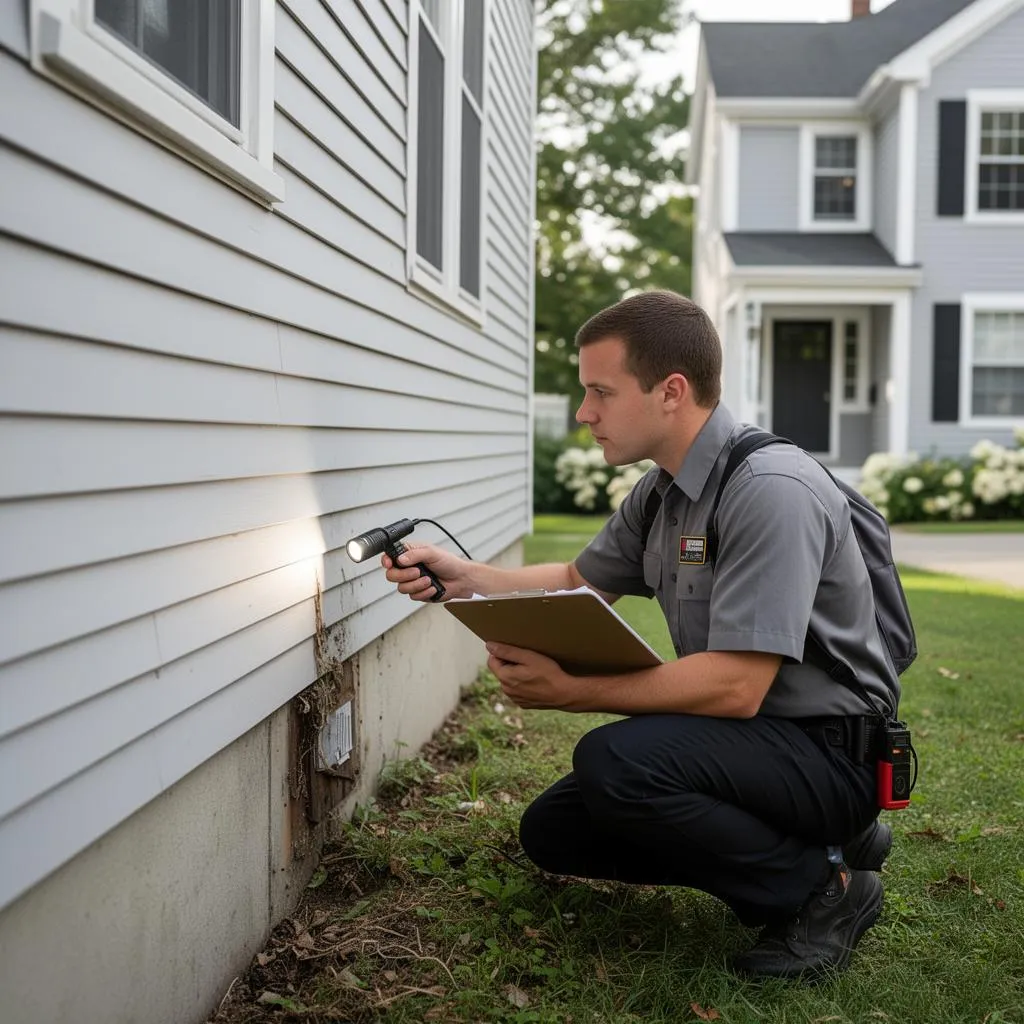
Effective rodent removal involves a combination of strategies tailored to the specific needs of the property. Comprehensive inspection is the first step, allowing professionals to identify entry points and nesting areas. Humane removal techniques are employed to ensure that rodents are captured and relocated without unnecessary harm. Exclusion services are critical in sealing off potential entry points, while sanitization helps eliminate any health risks associated with droppings and urine. Ongoing monitoring ensures that any new infestations are detected early, maintaining a rodent-free environment.
Effectiveness
The effectiveness of rodent removal services is often measured by their success rates in both immediate elimination and long-term prevention. Many pest control companies report high success rates in initial rodent elimination efforts. Furthermore, long-term prevention is achievable through consistent monitoring and exclusion practices. Eco-friendly solutions are increasingly utilized, ensuring that the methods employed are safe for both the environment and the inhabitants of the property.
Pricing
Understanding the pricing structure for rodent removal services can help homeowners make informed decisions. Below is a comparison of typical service plans:
| Service Plan | Price | Features |
|---|---|---|
| Initial Inspection | $0 to $150 | Comprehensive property assessment |
| Rodent Removal Packages | $150 to $500 | Includes trapping and removal services |
| Monthly Plan | Varies | Ongoing treatments for prevention |
| Quarterly Plan | Varies | Seasonal treatments to address potential infestations |
| Yearly Plan | Varies | Basic annual treatment for long-term management |
Robbins Pest Services offers competitive pricing and tailored service plans to meet the unique needs of Portland residents.
How to Identify Rodent Infestations in Your Portland Maine Property
Identifying rodent infestations early is crucial for effective management. Homeowners should look for signs such as droppings, gnaw marks, and nesting materials. Noises in walls or ceilings, especially at night, can also indicate rodent activity. Regular inspections of the property can help catch infestations before they escalate, allowing for timely intervention.
Common Signs of Rats and Mice Presence
- Droppings: Small, dark pellets found near food sources or nesting areas.
- Gnaw Marks: Evidence of chewing on wires, wood, or food packaging.
- Noises: Scratching or scurrying sounds, particularly at night.
- Nesting Materials: Shredded paper, fabric, or insulation found in hidden areas.
- Food Contamination: Signs of nibbling on stored food items.
Local Rodent Inspection and Monitoring Services
Local pest control companies, including Robbins Pest Services, offer a range of inspection and monitoring services. These typically include free initial inspections, humane removal options, and ongoing monitoring to ensure that any new infestations are promptly addressed.
How Professional Rodent Inspections Work
Professional rodent inspection services involve a thorough assessment of the property to identify signs of infestation and potential entry points. Technicians conduct a comprehensive inspection, followed by strategic removal and exclusion measures. This process often includes sanitization services to mitigate health risks associated with rodent droppings and urine.
Why Choose Local Pest Exterminators
- Expertise in Local Rodent Behavior: Local professionals understand the specific rodent species prevalent in the area.
- Quick Response Times: Proximity allows for faster service, which is crucial in managing infestations.
- Customized Service Options: Local companies tailor services to meet the unique needs of the community.
Rodent Exclusion and Trapping Techniques
Effective rodent removal relies on a combination of exclusion and trapping techniques. Property assessments help identify vulnerabilities, while strategic removal methods ensure that rodents are captured efficiently. Complete exclusion involves sealing off entry points with durable materials, and follow-up monitoring is essential to prevent future infestations.
Eco-Friendly Rodent Control Methods in Portland Maine
- Integrated Pest Management (IPM): A holistic approach that combines various strategies for effective pest control.
- Exclusion Techniques: Sealing entry points to prevent rodents from accessing the property.
- Humane Trapping: Capturing rodents without harm and relocating them.
- Sanitization and Cleanup: Reducing health risks by cleaning areas affected by rodent activity.
- Ongoing Monitoring: Regular checks to ensure that the property remains rodent-free.
"Preventative methods such as rodent-proofing are humane, as well as an essential — and probably under-used — component of effective control. However, anticoagulant poisons, the most common means of controlling rodents, generally take several days to kill, during which time they cause distress, disability and/or pain."
— G. Mason, "The humaneness of rodent pest control," 2003
How Trapping and Sealing Entry Points Prevent Rodent Return
Trapping and sealing entry points are critical components of effective rodent control. Humane trapping systems capture rodents without causing harm, while sealing entry points with durable materials prevents future access. Regular inspections and maintenance of these barriers are essential to ensure long-term success in keeping rodents at bay.
Health Risks Rodents Pose & How to Prevent Them
Rodents can pose significant health risks, including the transmission of diseases such as hantavirus, leptospirosis, and salmonella. Preventive measures include:
- Sealing Entry Points: Preventing rodents from entering the property.
- Removing Food Sources: Storing food in airtight containers and cleaning up spills promptly.
- Eliminating Shelter Options: Reducing clutter and debris around the property.
- Maintaining Dry Environments: Fixing leaks and ensuring proper drainage.
- Regular Inspections: Conducting routine checks for signs of rodent activity.
Diseases Rats and Mice Can Transmit
- Hantavirus: A severe respiratory disease transmitted through contact with rodent droppings or urine.
- Leptospirosis: A bacterial infection that can lead to serious health complications.
- Salmonella: A foodborne illness that can result from contamination by rodent droppings.
"Rodents are notorious pests, known for transmitting major public health diseases and causing agricultural and economic losses. The lack of site-specific and national standardised rodent surveillance in several disadvantaged communities has rendered interventions targeted towards rodent control as often ineffective."
— A.M. Awoniyi, 2024
Effective Rodent Prevention Tips for Homeowners and Businesses
- Seal Entry Points: Inspect and seal any gaps or holes in the building's exterior.
- Remove Food Sources: Store food in sealed containers and clean up spills immediately.
- Eliminate Shelter Options: Keep yards tidy and free of debris where rodents can nest.
- Maintain Dry Environments: Address leaks and ensure proper drainage to reduce moisture.
- Regular Inspections: Conduct routine checks for signs of rodent activity.
Implementing these preventive measures can help maintain a rodent-free environment.