
Common Household Pests in Greater Portland Area: Identification Guide
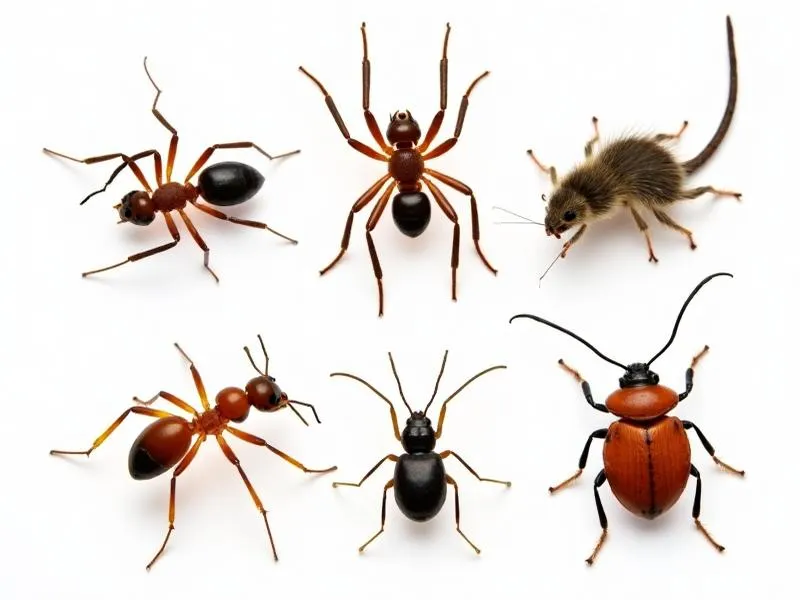
Living in Greater Portland, Maine means encountering a variety of household pests throughout the year. Robbins Pest Services has compiled this comprehensive identification guide to help Portland Metro residents recognize common pests, understand their behavior, and know when to call for professional help.
Quick Identification Tip
Proper pest identification is the first step in effective control. Take photos when possible and note the location, time of day, and behavior patterns for accurate identification by Robbins Pest Services professionals.
Ants: The Most Common Invaders
Pavement Ants
Identification: Small (1/8 inch), brown to black ants with distinctive grooves on head and thorax.
Behavior: Form trails along sidewalks, driveways, and into homes seeking food and moisture.
Peak Season: Active spring through fall in Greater Portland area.
Carpenter Ants
Identification: Large (1/4 to 1/2 inch), black ants with single-segmented waist.
Behavior: Excavate wood to create nests, often in moist or damaged wood.
Damage Potential: Can cause significant structural damage over time.
Warning Signs: Small piles of sawdust-like material near wooden structures.
Little Black Ants
Identification: Very small (1/16 inch), jet black, fast-moving ants.
Behavior: Form long trails to food sources, particularly sweet substances.
Common Locations: Kitchens, pantries, and areas with food residue.
Spiders: Beneficial but Unwanted Guests
House Spiders
Identification: Small to medium (1/4 inch), brown with darker markings.
Behavior: Build webs in corners, basements, and undisturbed areas.
Benefit: Control other insects but can become numerous in Maine homes.
Wolf Spiders
Identification: Large (1/2 to 1 inch), brown with hairy legs, prominent eyes.
Behavior: Hunt actively, do not build webs, often found in basements.
Seasonal Pattern: More commonly seen indoors during fall in Portland area.
Cellar Spiders
Identification: Long, thin legs with small body, light brown color.
Behavior: Build irregular webs in dark, damp areas like basements and crawl spaces.
Control: Reducing moisture helps prevent infestations.
Rodents: Year-Round Concerns
House Mice
Identification: Small (3-4 inches), gray-brown with large ears and long tail.
Signs: Small droppings (1/4 inch), gnaw marks, greasy rub marks along walls.
Reproduction: Can produce 6-10 litters per year with 4-6 young each.
Health Risks: Carry diseases, contaminate food, trigger allergies.
Norway Rats
Identification: Large (7-9 inches), brown with thick body and blunt nose.
Behavior: Excellent swimmers, often found in basements and lower levels.
Damage: Can gnaw through various materials including soft metals.
Occasional Invaders
Asian Lady Beetles
Identification: Orange to red with varying black spots, slightly larger than native ladybugs.
Seasonal Behavior: Seek shelter in Maine homes during fall, often in large numbers.
Issue: Can stain surfaces and produce allergic reactions in some people.
Stink Bugs
Identification: Shield-shaped, brown, about 3/4 inch long.
Behavior: Aggregate in large numbers seeking winter shelter.
Problem: Release foul odor when disturbed or crushed.
Boxelder Bugs
Identification: Black with red markings, about 1/2 inch long.
Seasonal Pattern: Enter homes in fall, become active on warm winter days.
Location: Often found on south-facing walls and windows.
Flying Insects
Cluster Flies
Identification: Larger than house flies, dark gray with golden hairs on thorax.
Behavior: Gather in large clusters in attics and wall voids during fall.
Issue: Emerge on warm winter days, creating nuisance in Portland homes.
Fruit Flies
Identification: Very small (1/8 inch), tan to brown with red eyes.
Breeding: Reproduce rapidly in organic matter, overripe fruit, drains.
Control: Requires elimination of breeding sources and sanitation.
When to Call Robbins Pest Services
Seasonal Pest Activity in Greater Portland
Spring (March-May)
Ants begin foraging, spiders become more active, and overwintering pests emerge.
Summer (June-August)
Peak activity for most insects, increased ant colonies, spider reproduction.
Fall (September-November)
Occasional invaders seek shelter, rodents prepare for winter.
Winter (December-February)
Indoor pest activity continues, particularly rodents and overwintering insects.
Professional Identification Services
While this guide covers common pests, accurate identification sometimes requires professional expertise. Robbins Pest Services offers free inspections and identification services throughout Greater Portland, including Falmouth, Cape Elizabeth, and surrounding communities.
Our experienced technicians can identify pest species, assess infestation levels, determine entry points, and develop targeted treatment strategies. Don't let pest problems escalate – early identification and intervention save time, money, and frustration.
Frequently Asked Questions
Need Professional Pest Identification?
Contact Robbins Pest Services for expert pest identification and customized treatment solutions for your Greater Portland home.
Call (207) 770-0274Schedule Free Inspection