Bee and Wasp Safety Near Maine Lakes: Sebago Lake Homeowner Guide
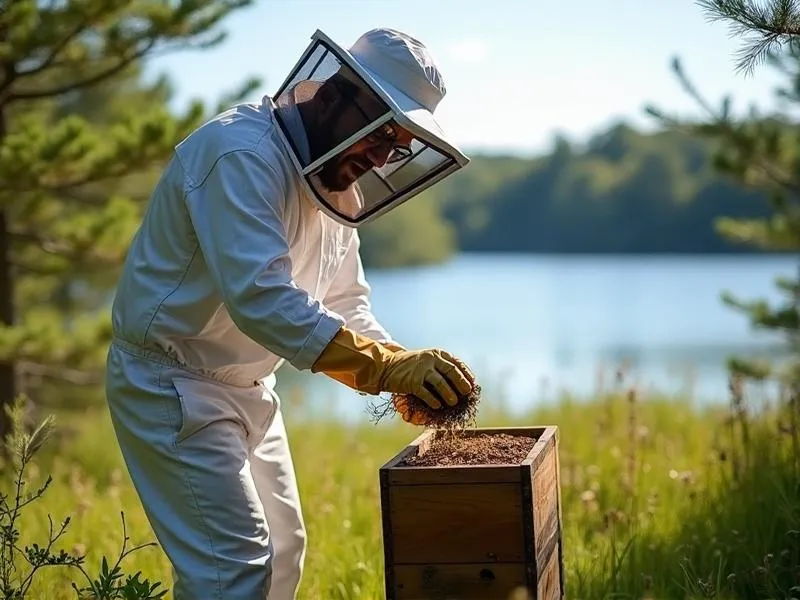
Maine's beautiful lakes region, including Sebago Lake, provides ideal conditions for various stinging insects. While these creatures play important ecological roles, they can pose safety risks to families enjoying lake activities. Robbins Pest Services provides essential safety information for Sebago Lake area homeowners.
Safety First
If you discover a bee or wasp nest near your Sebago Lake property, do not attempt removal yourself. Contact Robbins Pest Services for safe, professional removal to protect your family and preserve beneficial bee populations when possible.
Common Stinging Insects Around Maine Lakes
Honeybees
Identification: Brown and black with fuzzy bodies, 1/2 to 5/8 inch long.
Behavior: Generally docile unless defending their hive, die after stinging.
Nesting: Tree cavities, wall voids, sometimes exposed on branches.
Importance: Critical pollinators that should be relocated rather than eliminated when possible.
Bumblebees
Identification: Large, fuzzy, black and yellow, 3/4 to 1 inch long.
Behavior: Generally peaceful, important pollinators, rarely aggressive.
Nesting: Underground burrows, compost piles, or dense vegetation.
Lake Area Concerns: May nest near shore vegetation or outdoor dining areas.
Paper Wasps
Identification: Slender with yellow and black markings, long legs that dangle in flight.
Behavior: More aggressive than bees, especially when defending nests.
Nesting: Open, umbrella-shaped nests under eaves, decks, and boat houses.
Risk Level: Moderate to high around lake properties with outdoor structures.
Yellowjackets
Identification: Bright yellow and black with smooth bodies, 3/8 to 5/8 inch.
Behavior: Highly aggressive, especially in late summer, can sting multiple times.
Nesting: Ground cavities, wall voids, fallen logs near water sources.
Peak Danger: August through October when colonies are largest.
Bald-faced Hornets
Identification: Large (5/8 to 3/4 inch), black with white face markings.
Behavior: Extremely aggressive defenders of large, aerial nests.
Nesting: Large, football-shaped nests in trees, often near water.
Danger Zone: Will chase perceived threats up to 300 feet from nest.
Why Lakes Attract Stinging Insects
Water Source
Stinging insects need water for their colonies. Lakes provide a reliable water source, making lakefront properties prime real estate for nest establishment.
Abundant Food Sources
Lake environments offer diverse flowering plants, insects, and human food sources (outdoor dining, garbage) that attract and sustain stinging insect populations.
Protected Nesting Sites
Lakefront properties often have docks, boat houses, sheds, and landscaping features that provide ideal nesting locations protected from weather.
Safety Precautions for Sebago Lake Families
Regular Property Inspections
- Check eaves, decks, and outdoor structures monthly during active season
- Inspect boat houses, docks, and waterfront structures
- Look for early nest development in spring (easier to address)
- Monitor high-traffic areas where families spend time outdoors
Outdoor Activity Safety
- Avoid wearing bright colors or floral patterns when spending time near water
- Keep food and drinks covered during outdoor activities
- Clean up spills and crumbs immediately
- Use unscented personal care products
- Wear closed-toe shoes when walking near shore vegetation
Emergency Preparedness
- Keep antihistamines and ice packs readily available
- Know the location of nearest medical facility
- Have emergency contact information for severe allergic reactions
- Educate family members about sting first aid
Allergic Reaction Warning Signs
Seek immediate medical attention if stings cause:
- Difficulty breathing or swallowing
- Rapid pulse or dizziness
- Widespread hives or severe swelling
- Nausea, vomiting, or diarrhea
When to Call Professional Removal Services
Immediate Professional Help Needed
- Nests located in high-traffic areas (near doors, decks, play areas)
- Large or aggressive colonies
- Multiple stings have occurred
- Family members have known allergies
- Nests in hard-to-reach or dangerous locations
Robbins Pest Services Approach
- Safe, professional removal using proper protective equipment
- Bee relocation services when possible to preserve pollinators
- Treatment of nesting areas to prevent re-establishment
- Emergency response for dangerous situations
- Family safety education and prevention advice
Seasonal Timeline for Maine Lakes Region
Spring (April-May)
Queen wasps emerge and begin nest establishment. Best time for prevention and early intervention.
Early Summer (June-July)
Colonies grow rapidly. Nests become more visible and populations increase.
Late Summer (August-September)
Peak danger period. Colonies reach maximum size and become most aggressive.
Fall (October-November)
Colonies begin to decline, but remaining insects can be extremely aggressive.
Prevention Strategies for Lake Properties
Reduce attractants and nesting opportunities:
- Seal gaps in outdoor structures and siding
- Remove fallen fruit and organic debris
- Maintain clean outdoor dining and cooking areas
- Install tight-fitting lids on garbage containers
- Consider professional seasonal treatments for high-risk areas
Protect Your Sebago Lake Family
Don't let stinging insects compromise your lake enjoyment. Contact Robbins Pest Services for safe, professional bee and wasp management.
Emergency: (207) 770-0274Schedule Inspection